
PCOS: Symptoms, Causes, and Treatments Every Woman Should Know
Polycystic Ovary Syndrome (PCOS) is one of the most common hormonal disorders affecting women today. It doesn’t just influence periods or fertility; it touches everything from metabolism to skin health and emotional balance. Yet despite being so widespread, many women remain undiagnosed or misunderstood, often seeking help only when symptoms become overwhelming. Knowing the basics of PCOS can help you take control early.
What Is PCOS? A Simple Breakdown
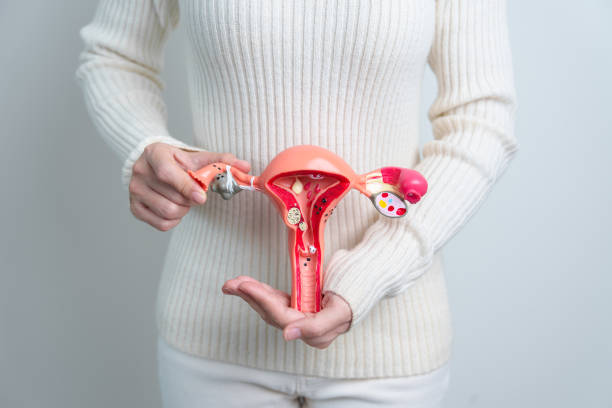
PCOS occurs when the ovaries produce higher-than-normal levels of androgens, the hormones typically found in greater amounts in men. This hormonal shift interferes with ovulation, leading to irregular or missed periods.
Some women may also develop small cysts on their ovaries, but not everyone with PCOS has cysts—and not every cyst means PCOS.
It’s a mix of hormonal, genetic, and metabolic factors, which is why it shows up differently in each woman.
Symptoms You Should Pay Attention To
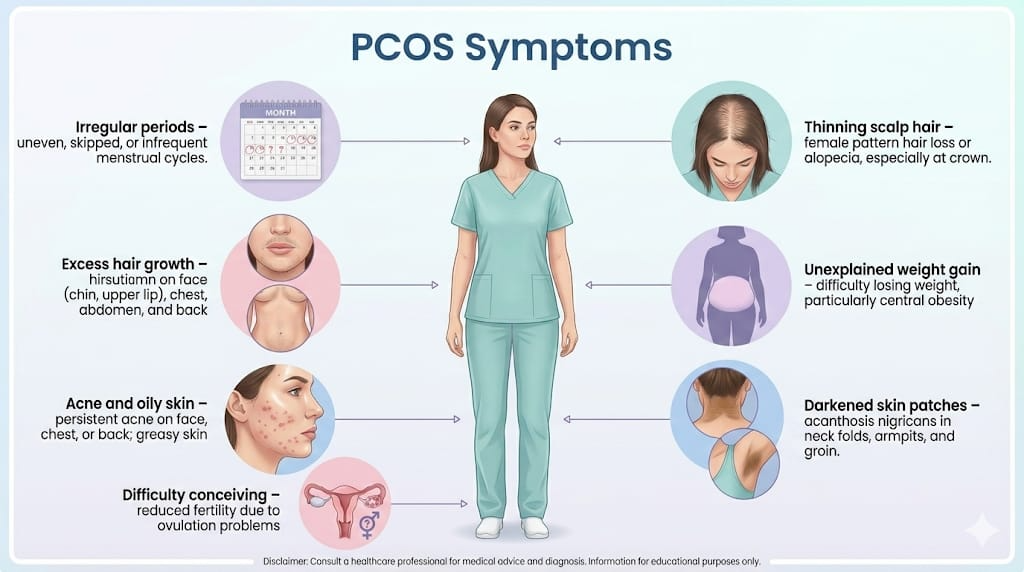
PCOS has a wide range of symptoms, and they can vary from mild to intense. The most common include:
- Irregular periods: Often the first sign something is off.
- Excess hair growth: Especially on the face, chest, and abdomen.
- Acne and oily skin: Triggered by elevated androgen levels.
- Thinning scalp hair: Hair fall or visible scalp patches.
- Unexplained weight gain: Particularly around the waist.
- Darkened skin patches: Common around the neck and underarms.
- Difficulty conceiving: Due to irregular ovulation.
Fun fact: A 2023 study in the Indian Journal of Endocrinology and Metabolism found that nearly 20% of Indian women have PCOS—and almost half of them don’t even know it.
Why PCOS Happens: The Key Factors
There’s no single cause behind PCOS, but several factors contribute to it:
- Insulin Resistance: When the body doesn’t use insulin properly, the pancreas produces more of it. High insulin levels can increase androgen production, which affects ovulation.
- Genetics: PCOS often runs in families, so if your mother or sister has it, your risk is higher.
- Hormonal Imbalances: Elevated LH (luteinizing hormone) and androgens disturb normal ovulation patterns.
- Lifestyle Triggers: Unhealthy eating habits, stress, and lack of exercise can worsen symptoms.
- Low-Grade Inflammation: Chronic inflammation in the body can also contribute to higher androgen levels.
How Doctors Diagnose PCOS
For diagnosis, doctors usually follow the Rotterdam Criteria. You need to meet two out of these three:
- Irregular or absent ovulation
- High androgen levels (seen physically or in blood tests)
- Polycystic ovaries detected on ultrasound
Additional tests for blood sugar, insulin, and cholesterol help identify related metabolic issues.